
Web3 gaming is one of those phrases that gets used to mean everything and nothing. Game publishers slap it on any title with a token. Critics dismiss it as a synonym for scams. Neither framing is accurate. In 2026, Web3 gaming is a specific technical and economic model — and understanding what actually makes a game "Web3" clarifies which ones are worth your time and which aren't.
What Is Web3 Gaming — Actually?
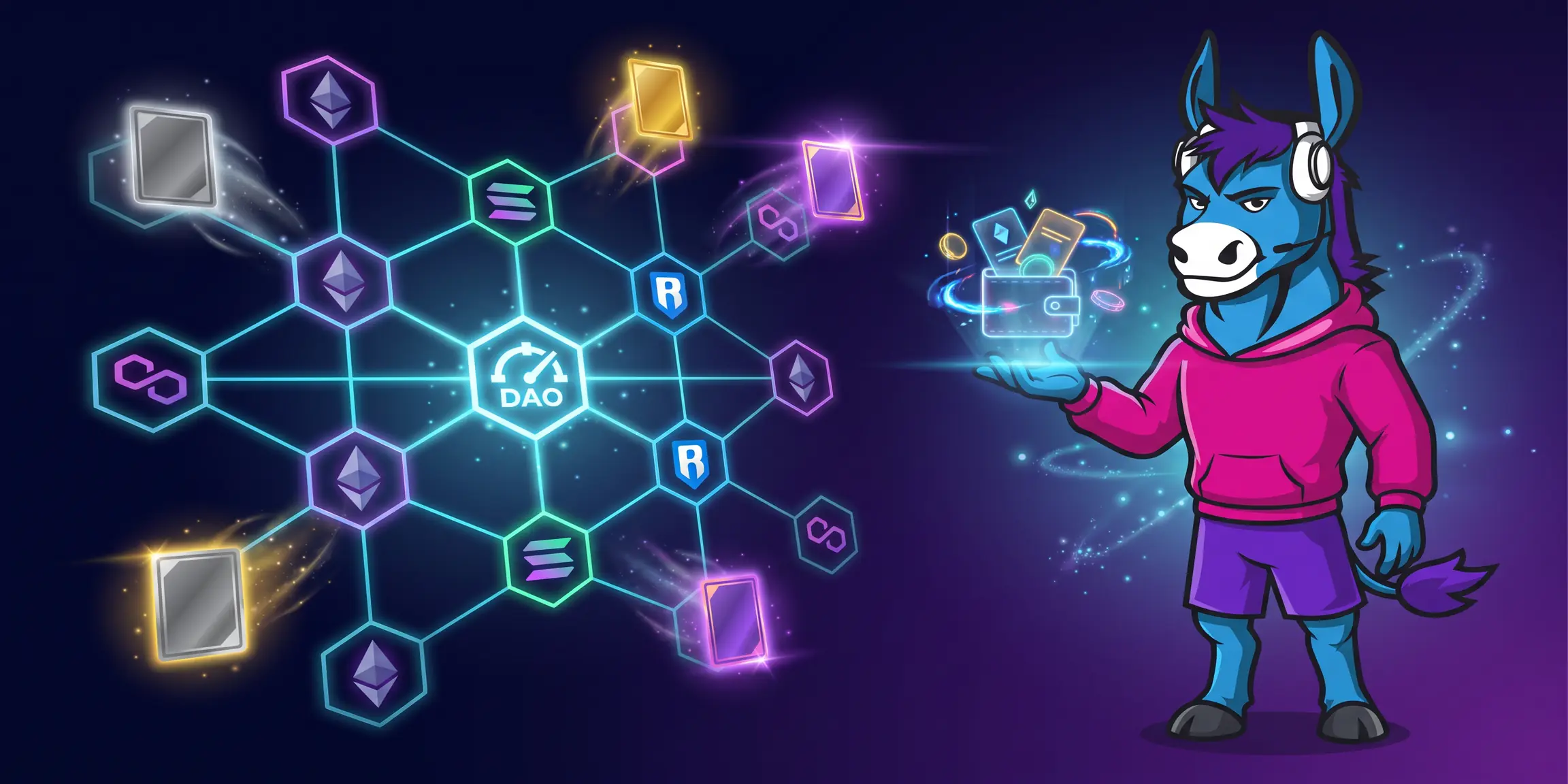
Web3 gaming refers to games where core assets — characters, items, land, cards — exist on a blockchain as tokens that players genuinely own, independent of the game publisher. This creates four properties that don't exist in traditional gaming:
- True ownership: Your in-game assets exist in your wallet, not on a company's server. A game can shut down; your wallet doesn't.
- Tradeable assets: NFT-based items can be bought, sold, and transferred on open marketplaces — no permission needed from the publisher.
- Token economies: In-game currencies are on-chain tokens that trade on crypto exchanges. Their value is set by the market, not by the developer.
- Governance participation: Many Web3 games issue governance tokens (DAOs) that let players vote on game development decisions — a model impossible in traditional games.
Web3 vs. Blockchain Gaming vs. Play-to-Earn
These terms are often used interchangeably but describe different emphases:
Play-to-earn (P2E) describes the economic mechanic: playing generates token income. This was the dominant framing in 2021–2022.
Blockchain gaming is the broader category: any game that uses a blockchain for asset storage, whether or not it has an earning mechanic.
Web3 gaming is the current umbrella term, emphasizing the decentralization, ownership, and interoperability aspects — not just the earning. It represents the evolution of P2E after the 2022 crash forced developers to focus on actual gameplay quality rather than pure token farming.
The Web3 Gaming Stack: How It Works
Wallets: Every Web3 game requires a compatible crypto wallet (MetaMask, Phantom, Ronin Wallet, Immutable X Passport). Your wallet is your account — assets live there, not with the game.
Blockchains: Different games use different chains. Ethereum L2s (Immutable X, Polygon) are popular for lower gas fees. Solana offers fast transaction speeds. Ronin is Axie's purpose-built chain. Each has different trade-offs for transaction cost and speed.
Marketplaces: NFTs trade on chain-specific or general marketplaces — OpenSea, Immutable X Marketplace, Magic Eden (Solana). Your assets can be listed for sale at any time.
DEXs: Game tokens trade on decentralized exchanges (Uniswap, Jupiter). You don't need the game developer's permission to sell your earnings.
The Best Web3 Games in 2026
Illuvium — The Most Complete Web3 Gaming Ecosystem
- Blockchain: Immutable X
- Token: ILV
- DAO: Yes (IlluviDAO)
- NFTs: Illuvials, Land
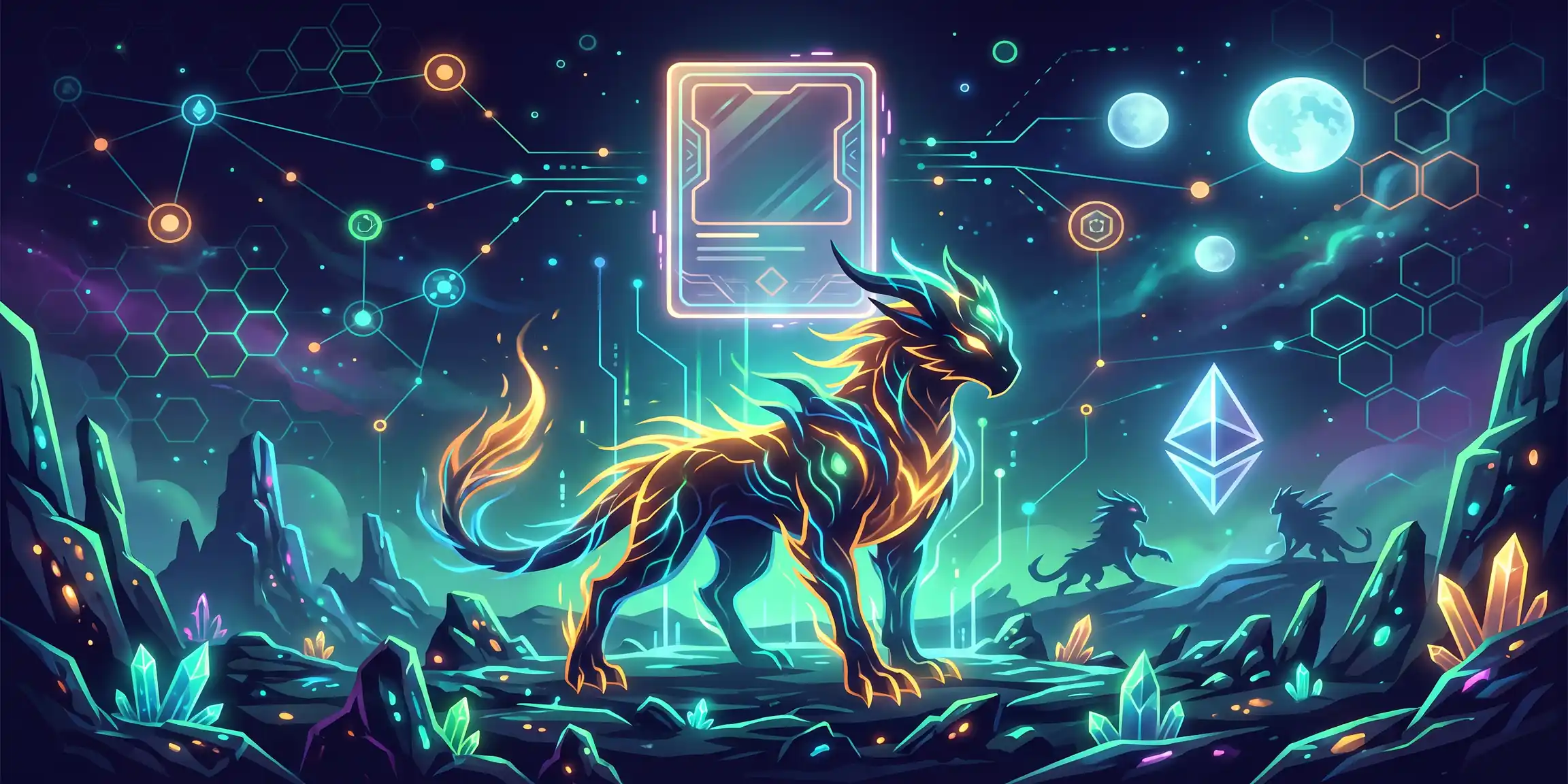
Illuvium is the most technically sophisticated Web3 game in the market — three interconnected titles sharing a single asset ecosystem. ILV stakers earn yield from real protocol revenue (NFT sales, land sales, tournament fees), not from new player entry. IlluviDAO governs development direction, tokenomics adjustments, and competitive formats. For players who want full Web3 participation — earning, governance, and ownership — it's the most complete option available.
Web3 depth: ★★★★★ | Earning potential: $50–$300/month competitive
The Sandbox — Web3 Creator Economy
- Blockchain: Ethereum / Polygon
- Token: SAND
- DAO: Partial
- NFTs: LAND, ASSETs
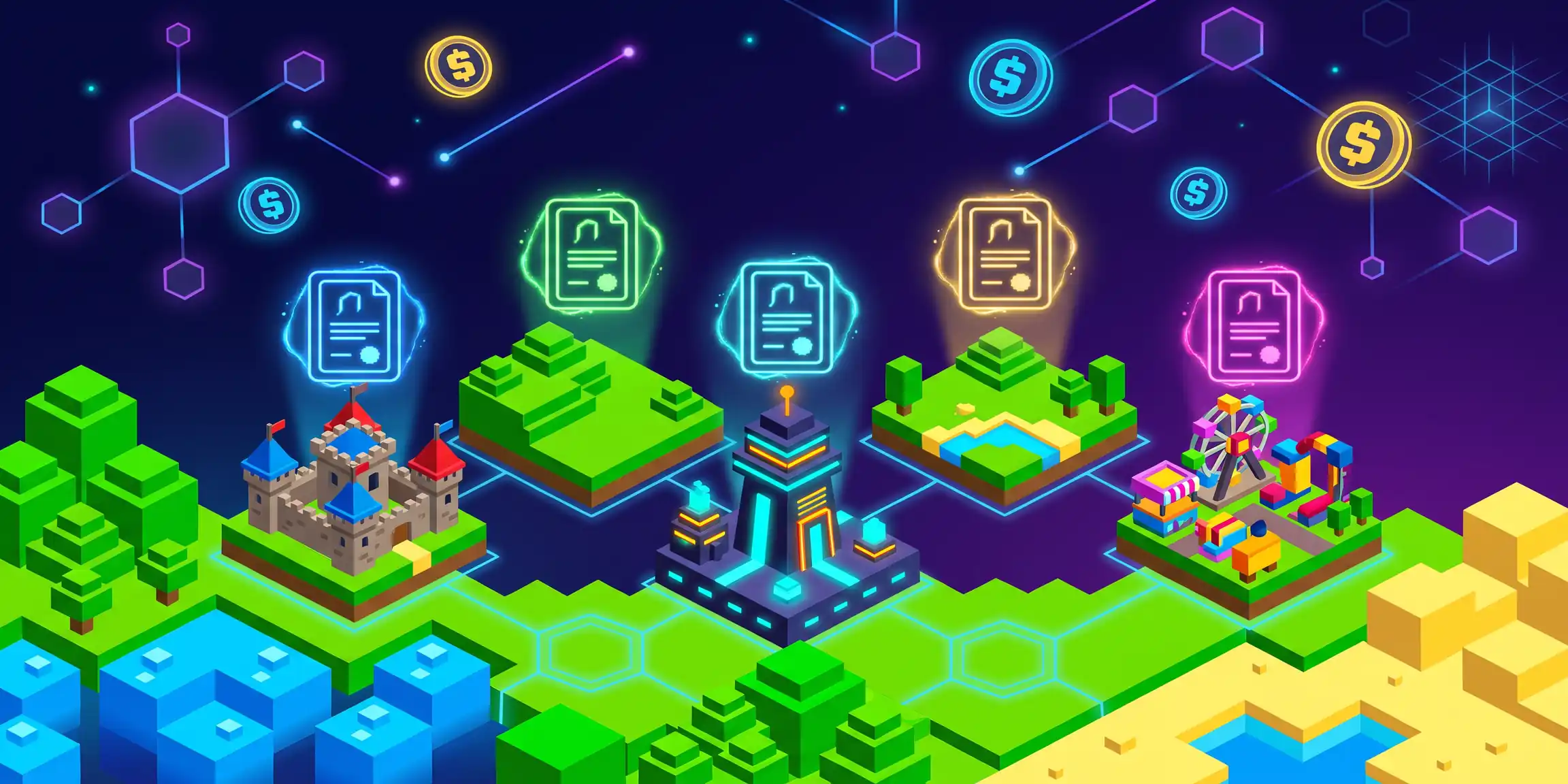
The Sandbox is less a game and more a Web3 creative platform: players own LAND parcels as NFTs, build interactive experiences using the VoxEdit and Game Maker tools, and monetize those experiences through SAND token transactions. Major brands (Adidas, Snoop Dogg, The Walking Dead) have purchased LAND, driving secondary market activity. For creators who want to build and own their own Web3 game experiences rather than play existing ones, it's unique in the market.
Web3 depth: ★★★★★ | Earning potential: $100–$2,000+/month for successful creators
Gods Unchained — Web3 Trading Card Game
- Blockchain: Immutable X
- Token: GODS
- NFTs: Cards (true ownership, tradeable)
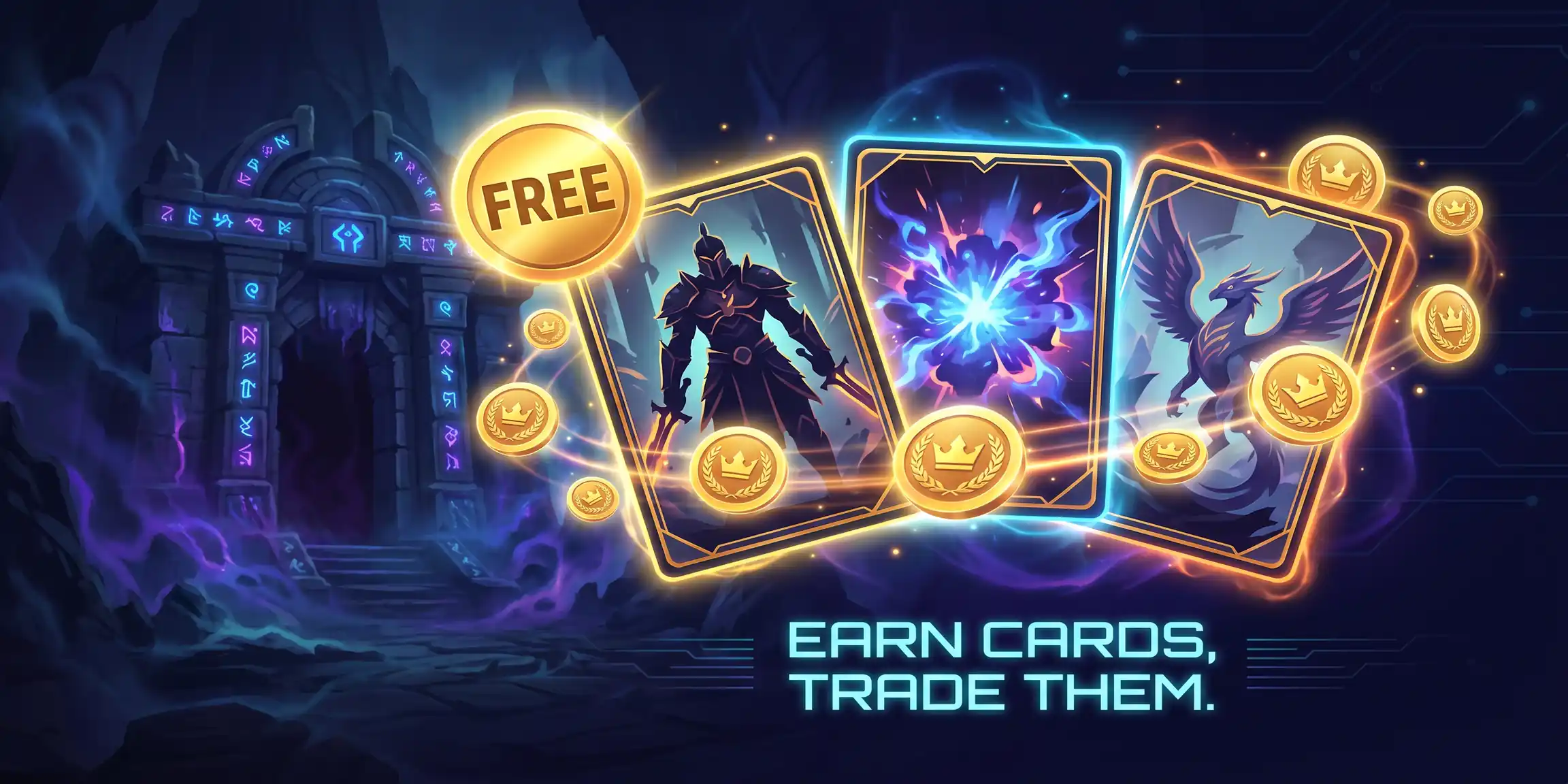
Gods Unchained demonstrates the Web3 ownership proposition most clearly. In a traditional card game (Hearthstone, Magic Arena), your cards are licenses — the developer can nerf them to worthlessness or shut down the game and erase your collection. In Gods Unchained, your cards are NFTs in your wallet. They exist regardless of what Gods Unchained does as a company. GODS token rewards from weekly ranked play add an earning layer on top of the ownership value.
Web3 depth: ★★★★☆ | Earning potential: $10–$80/month competitive
Star Atlas — Web3 Space MMO
- Blockchain: Solana
- Token: ATLAS, POLIS
- DAO: Yes (POLIS governance)
- NFTs: Ships, components
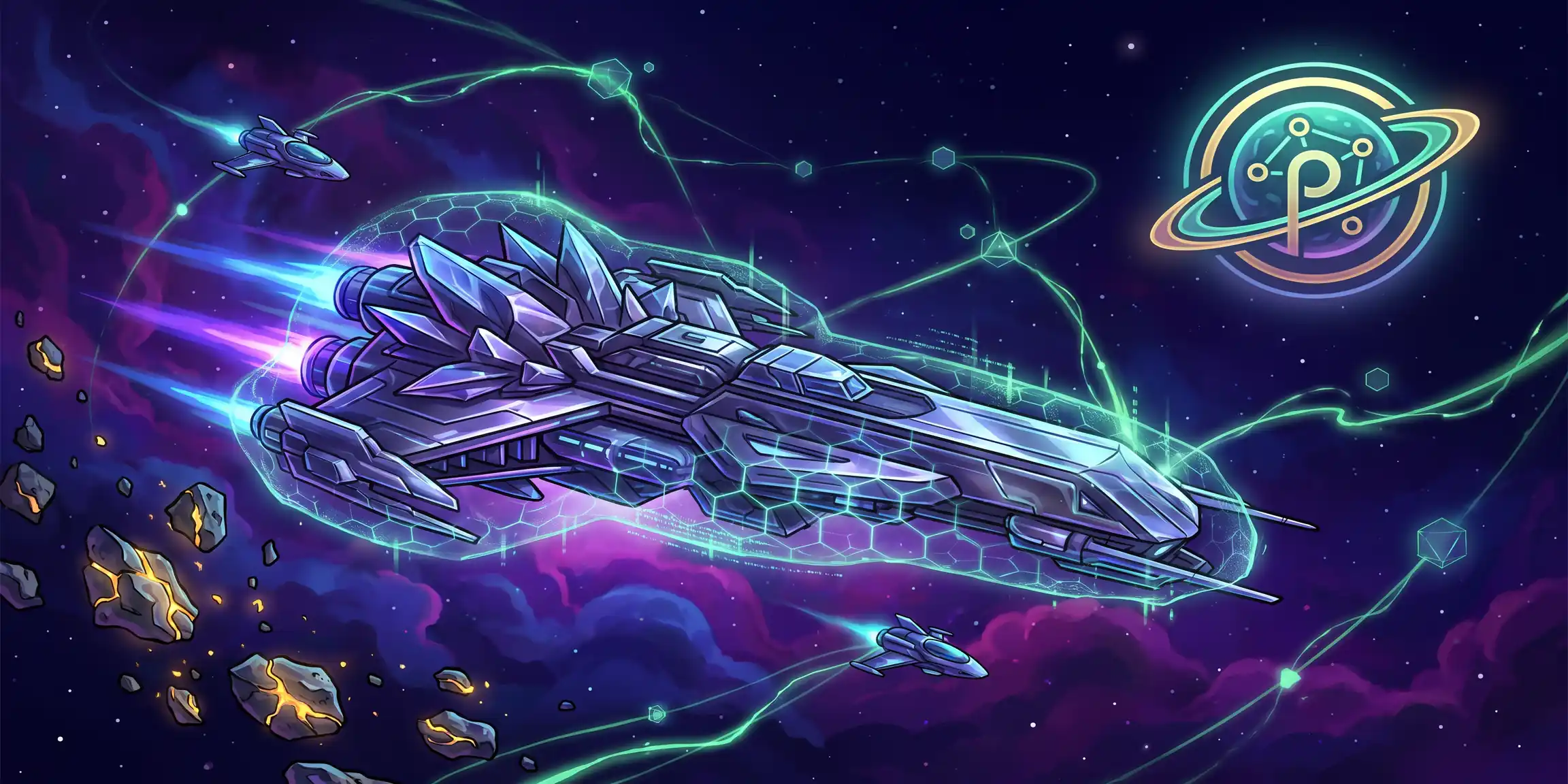
Star Atlas is the most ambitious Web3 game in development: a space MMO governed entirely by a DAO, built with Unreal Engine 5. POLIS token holders vote on in-game laws, resource distribution, and territorial policy. Ship NFTs are required to participate in most earning activities, representing a significant capital commitment. Still in phased development in 2026, but with the deepest Web3 governance model of any game on this list.
Web3 depth: ★★★★★ | Earning potential: Limited in current build; strong long-term if the full game delivers
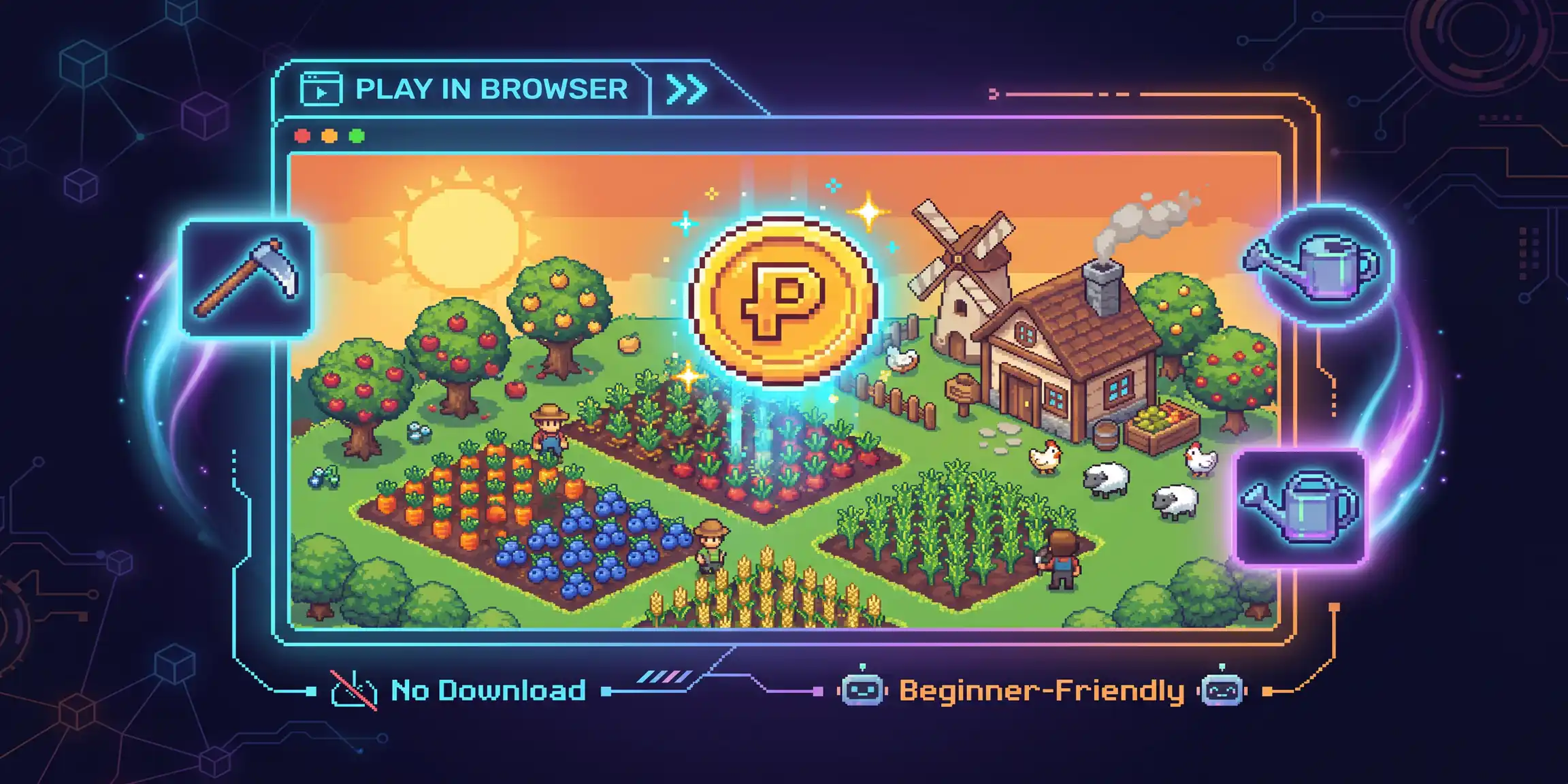
Pixels — Web3 Farming RPG
- Blockchain: Ronin
- Token: PIXEL
- NFTs: Land, items
Pixels is the most widely-played Web3 game by active users in 2026 — accessible through any browser with a Ronin wallet. The Web3 model is straightforward: farm resources, craft items, sell goods in a player-owned economy for PIXEL tokens. Land NFT ownership significantly amplifies earning capacity, but the core game is free to play and earn without any NFT investment.
Web3 depth: ★★★☆☆ | Earning potential: $5–$100+/month
Where DuelDonkey Fits in Web3
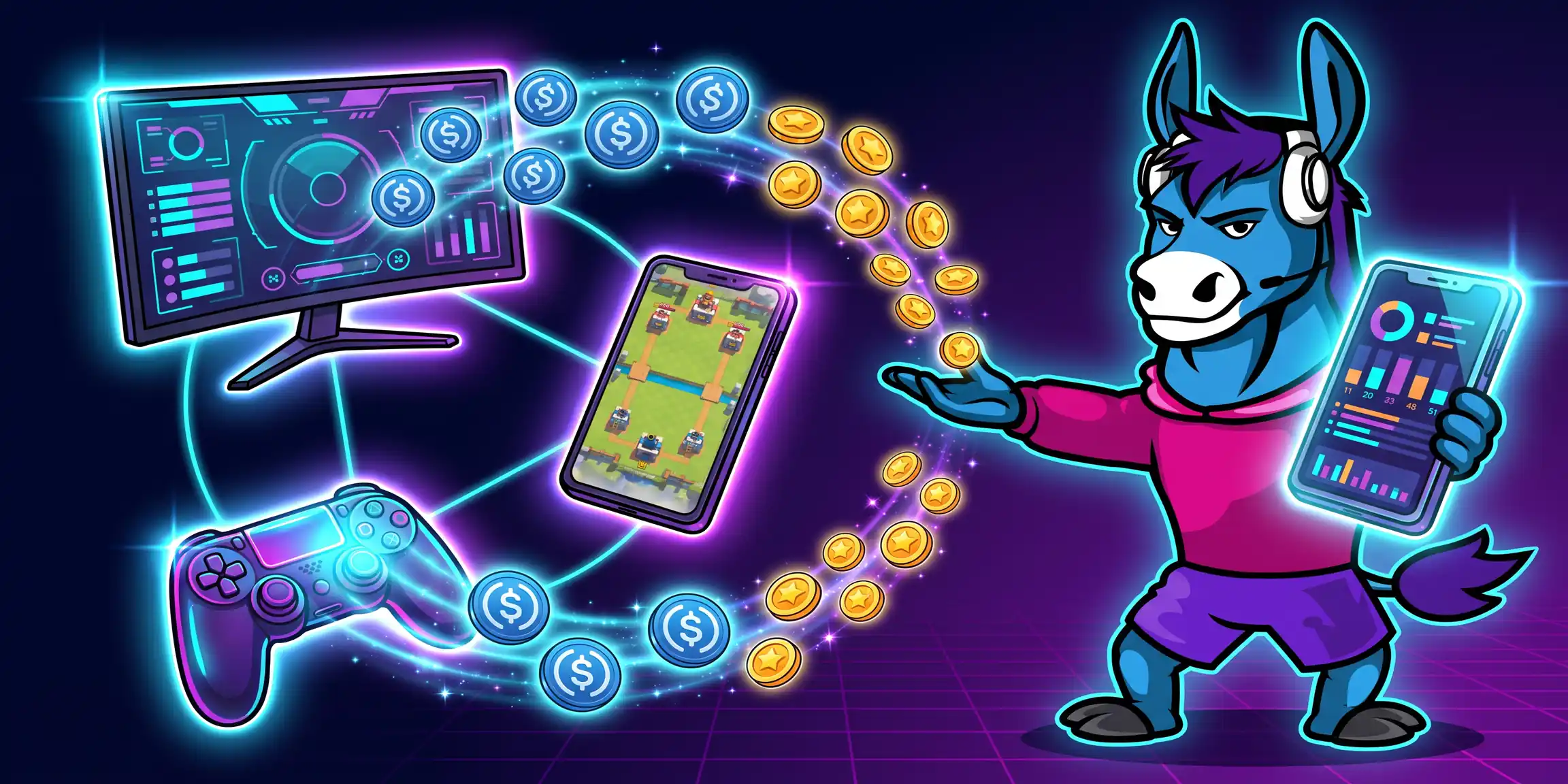
DuelDonkey occupies an interesting position in the Web3 gaming landscape: it's crypto-native — payouts are in USDC, a stablecoin — but it deliberately avoids the NFT and token speculation model that defines most Web3 games.
For Clash Royale players, this means the most stable crypto earnings available in the gaming space without needing to understand tokenomics, buy NFTs, or manage a governance token portfolio. USDC (Crypto) payouts when you win. DonkeyCoins (Free Tier) to start without any deposit. No blockchain complexity required to access the earnings.
It's a useful entry point for players who want crypto-denominated gaming earnings without the full Web3 learning curve — and it runs alongside any Web3 game as a stable, skill-based income source.
Web3 Gaming Risks You Need to Understand
Token price risk: Every game token except stablecoins is subject to market volatility. GODS, ILV, PIXEL, ATLAS — all can decline 50–90% in a bear market. Time your conversions accordingly.
Game shutdown risk: Even with NFT ownership, a game shutdown destroys the utility of your assets. NFTs still exist in your wallet but become illiquid if no market exists.
Smart contract risk: Web3 games run on smart contracts that can have vulnerabilities. The Ronin Network hack in 2022 (affecting Axie Infinity) resulted in $625 million in losses.
DAO complexity: Governance participation is a real time commitment. Most players hold governance tokens for yield, not for active voting.
Frequently Asked Questions
Do I need to understand blockchain to play Web3 games?
The minimum: setting up a compatible wallet and understanding how to approve transactions. Most Web3 games have simplified onboarding that handles the technical layer for you. DuelDonkey is the most accessible starting point if you want crypto earnings without any blockchain complexity.
Are Web3 games better than traditional games?
For ownership and earning: yes, significantly. For pure gameplay quality: it depends heavily on the game. Illuvium and Big Time approach AAA quality; many Web3 games prioritize token mechanics over gameplay.
What's the difference between Web3 gaming and NFT gaming?
NFT gaming is a subset of Web3 gaming focused specifically on NFT-based assets. Not all Web3 games use NFTs prominently (DuelDonkey doesn't). Web3 gaming is the broader category covering decentralized ownership, token economies, and DAO governance.
The Bottom Line
Web3 gaming in 2026 has moved past the hype and the crash. The games that survived — Illuvium, Gods Unchained, The Sandbox, Pixels — did so because they built real gameplay alongside real ownership. The ones that didn't were pure token speculation dressed as games. For players entering the space now, the quality floor is higher than it's ever been — and the ownership model offers something no traditional game ever has: your assets outlast the developer's interest in maintaining them.