
NFT gaming became one of the most hyped — and most misunderstood — developments in gaming. At its peak in 2021, people paid thousands of dollars for Axie NFTs expecting to earn their investment back in weeks. Most didn't. At its worst, "NFT gaming" was a thin economic layer over poor gameplay, engineered to extract money from players before the token collapsed.
In 2026, that phase is over. What remains is a more honest market: a smaller number of games with genuinely functional NFT economies, realistic earning ranges, and gameplay worth playing independent of the financial angle. This guide explains how NFT gaming actually works and which games are worth your time and money.
How NFT Gaming Works
In traditional gaming, your items, characters, and progress are stored on the developer's servers. You have a license to use them — not ownership. The developer can modify, delete, or transfer them without your consent.
In NFT gaming, assets are stored on a blockchain as non-fungible tokens (NFTs) that live in your wallet. This creates three properties:
- True ownership: The asset is yours, verifiable on-chain, independent of the game developer.
- Tradeable value: NFTs can be sold on open marketplaces at any time. Rare drops can be significantly more valuable than you paid to obtain them.
- Earning through use: Many NFT games allow you to earn tokens by using your NFT assets in gameplay — turning items into income-generating tools.
Types of NFTs in Games
Character/creature NFTs (Axie Infinity, Illuvium): Playable characters with stats and rarity tiers. Higher rarity = higher earning potential in competitive formats.
Card NFTs (Gods Unchained, Splinterlands): Trading card game assets. Cards earned or purchased exist as NFTs — sellable or tradeable on the marketplace.
Land NFTs (The Sandbox, Decentraland, Pixels): Virtual real estate. LAND owners earn from in-game activities, create content, and generate passive SAND/MANA/PIXEL income.
Item and cosmetic NFTs (Big Time, Star Atlas): In-game items that drop during gameplay as tradeable NFTs. Big Time's cosmetic NFT model is notable — NFTs don't affect earning power, only appearance.
The Best NFT Games in 2026
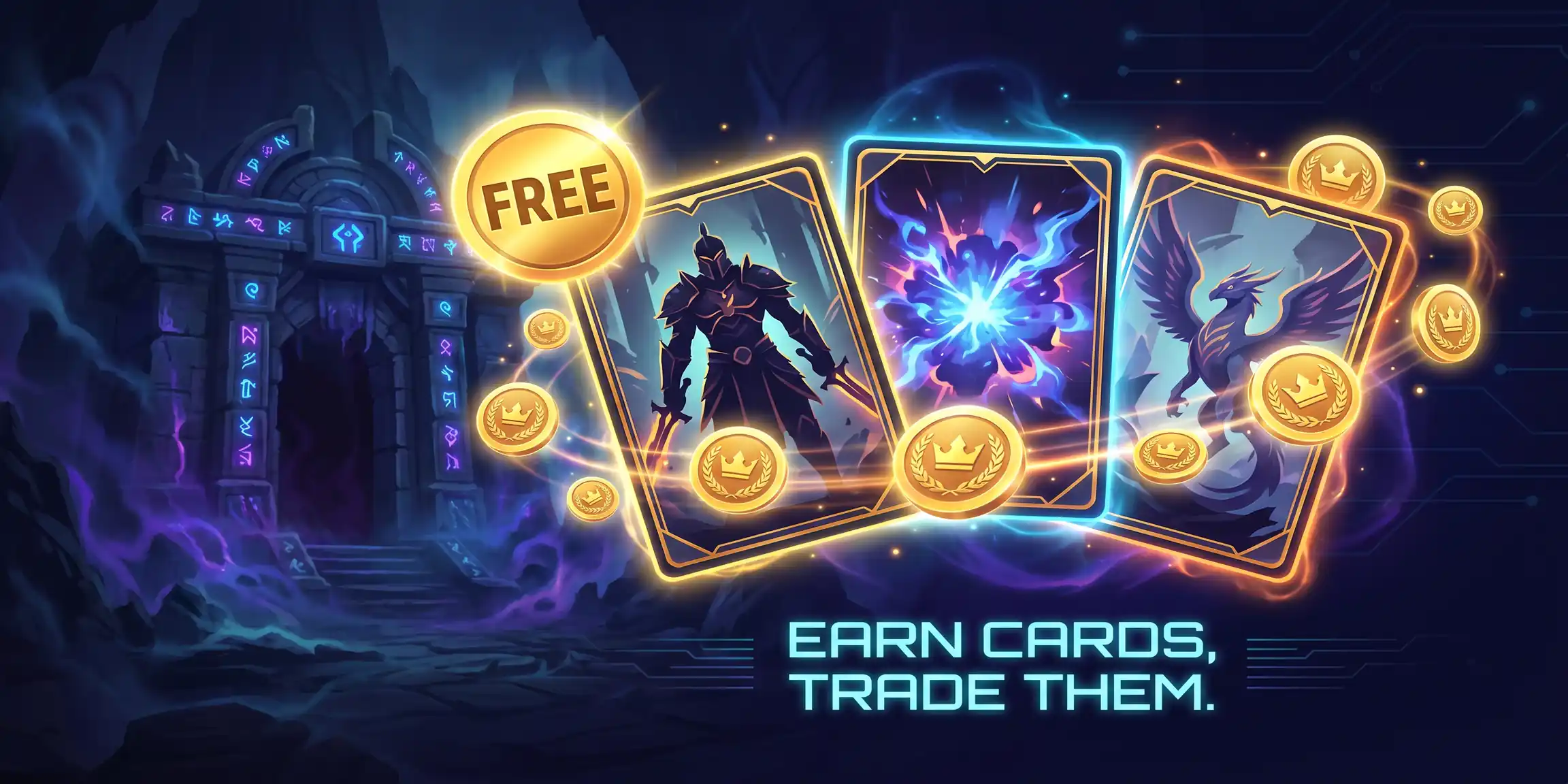
Gods Unchained — Best for Low-Risk NFT Start
- NFT type: Trading cards
- Blockchain: Immutable X
- Entry cost: Free (85 cards on tutorial)
Gods Unchained is the most accessible entry point in NFT gaming for a simple reason: you don't need to buy any NFTs to start. The 85 free cards from the tutorial are functional in ranked play. Cards you earn through gameplay become NFTs you can sell on the Immutable X Marketplace. This means your first NFT sale can come from cards you earned for free.
GODS token rewards from weekly ranked play add an earning layer. The marketplace for specific rare cards has remained liquid throughout multiple market cycles.
NFT earning model: Free card NFTs from gameplay + GODS token rewards
Earning potential: $10–$80/month
Splinterlands — Best Proven Track Record
- NFT type: Cards
- Blockchain: Hive
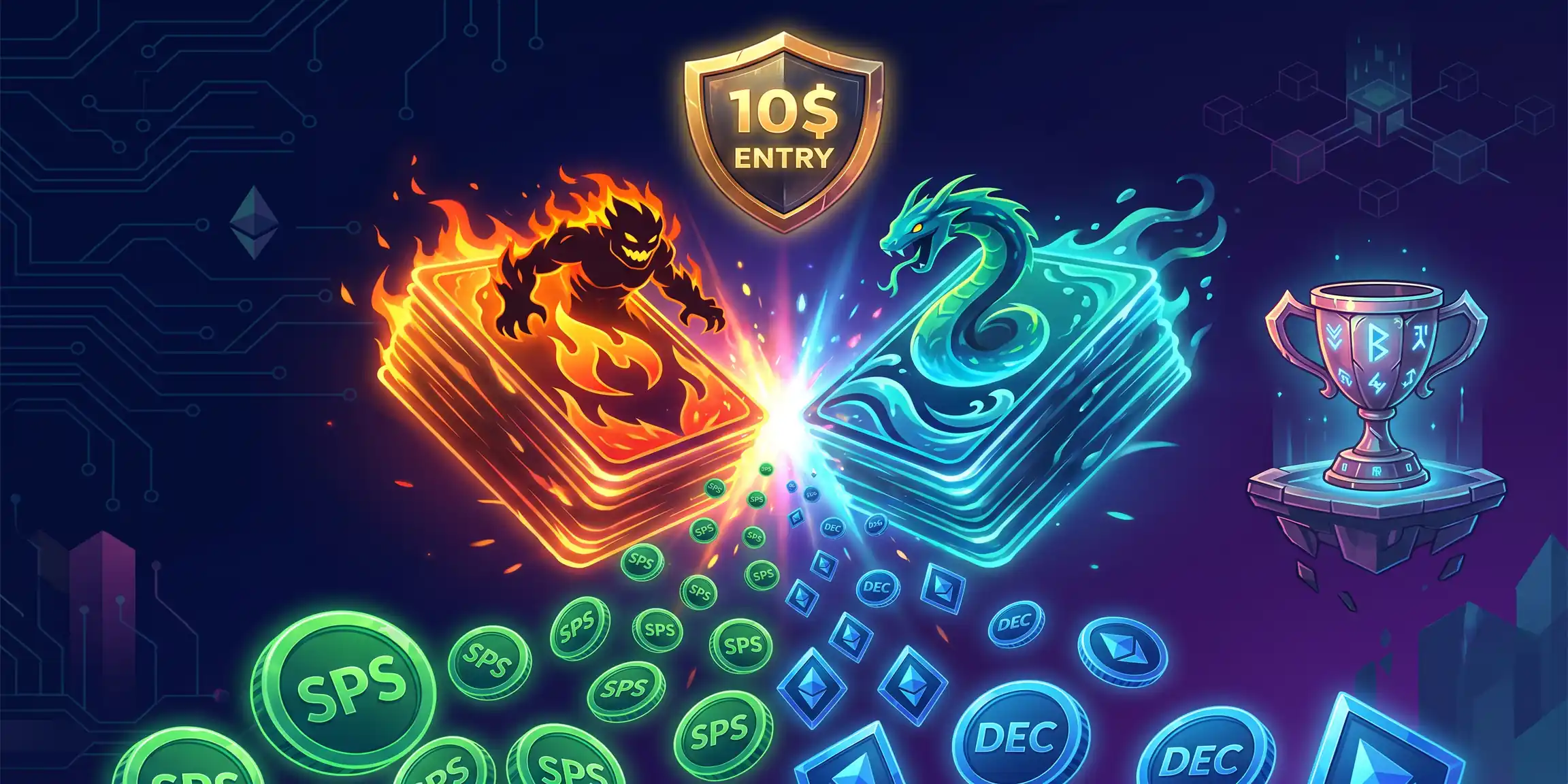
- Entry cost: ~$10 Spellbook
Splinterlands has operated continuously since 2018, making it the longest-running NFT card game in the market. Over $7 million in cumulative tournament prizes have been distributed. The $10 Spellbook is the smallest verified-payback entry investment in any functional NFT game — and unlike most NFT games, it has a documented history of actual payouts to players across multiple market cycles.
NFT earning model: Ranked season rewards + tournament prizes + card market
Earning potential: $15–$60/month
Illuvium — Best AAA NFT Experience
- NFT type: Illuvials (creatures), Land
- Blockchain: Immutable X
- Entry cost: Optional
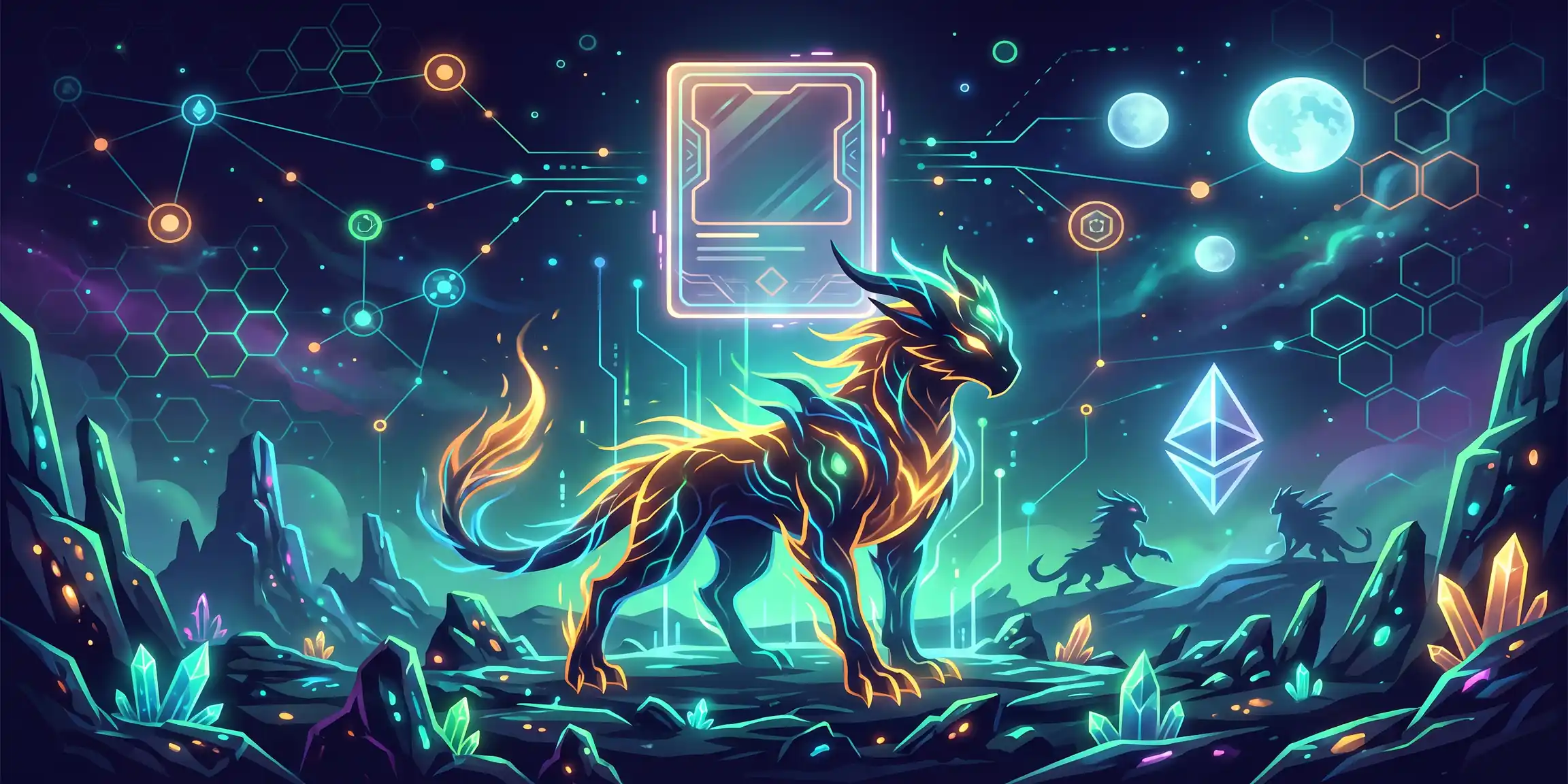
Illuvium offers the highest-quality gameplay experience in NFT gaming. Illuvial NFTs (the game's catchable creatures) vary in rarity, and rare Illuvials command significant marketplace value. Land NFT holders earn a percentage of in-game resource extraction that happens on their parcel. The dual-token model (ILV for governance/staking, sILV2 for in-game use) has remained stable due to genuine protocol revenue backing yield.
NFT earning model: Arena combat with Illuvials + ILV staking yield
Earning potential: $50–$300/month competitive
Axie Infinity — The Pioneer (Reformed)
- NFT type: Axies (creatures)
- Blockchain: Ronin
- Entry cost: Three Axies (~$15–$30 current floor)
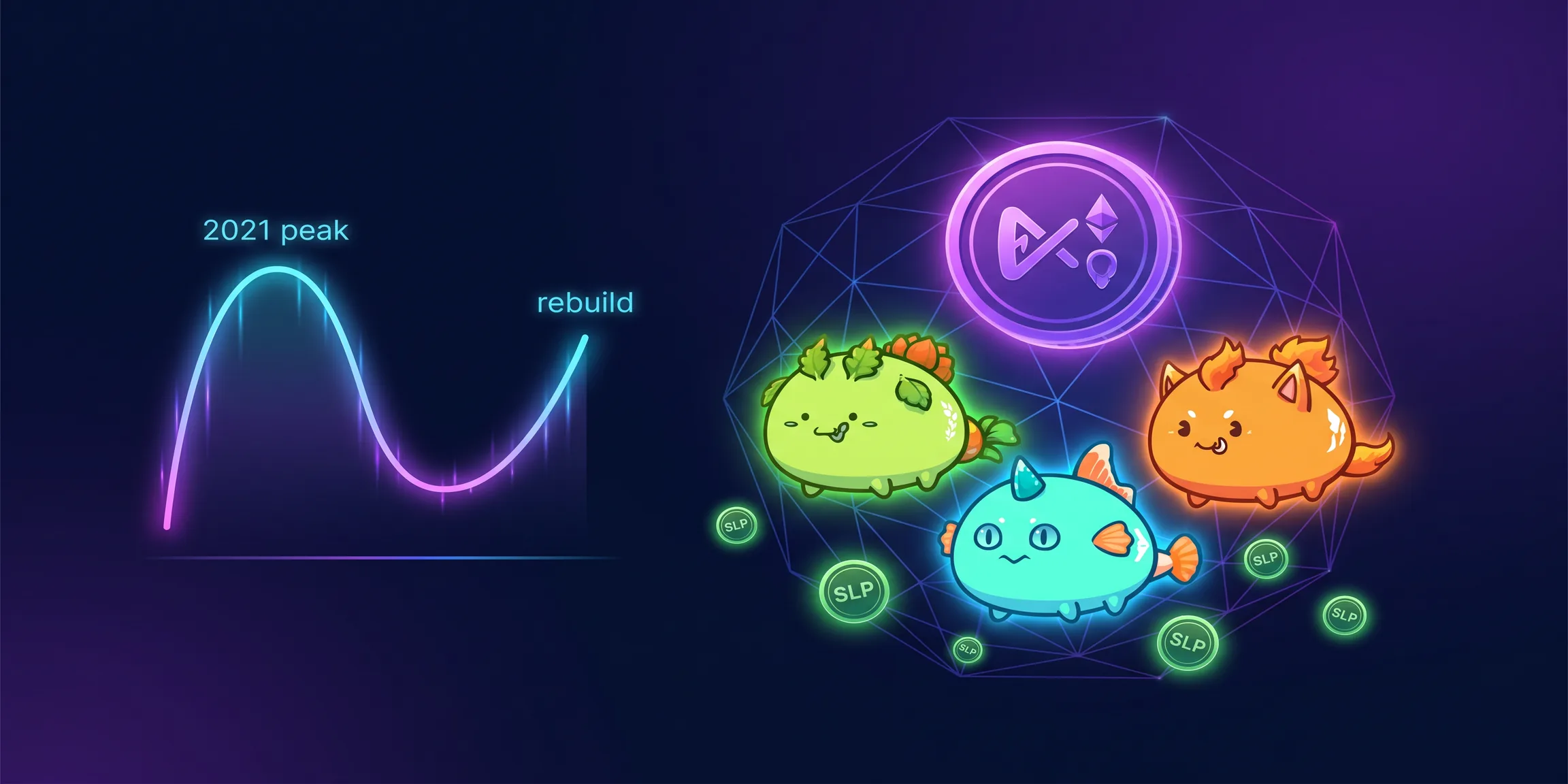
Axie Infinity created the NFT gaming market — and its 2022 collapse defined what not to do. Sky Mavis has spent two years rebuilding with Axie Infinity: Atia's Legacy, focusing on gameplay quality over token farming mechanics. The Axie Classic game still runs for established players; the new MMO is in active development targeting 2026–2027 full launch.
For new players: the entry cost is manageable at current prices ($15–$30 for a starter team), but the AXS and SLP tokens remain significantly below their 2021 peaks. Best approached for gameplay interest in Atia's Legacy rather than token speculation on Classic.
NFT earning model: PvP battles, PvE missions, crafting
Earning potential: $10–$50/month
Big Time — Best NFT Drop Model
- NFT type: Cosmetics only
- Blockchain: Immutable X
- Entry cost: Free
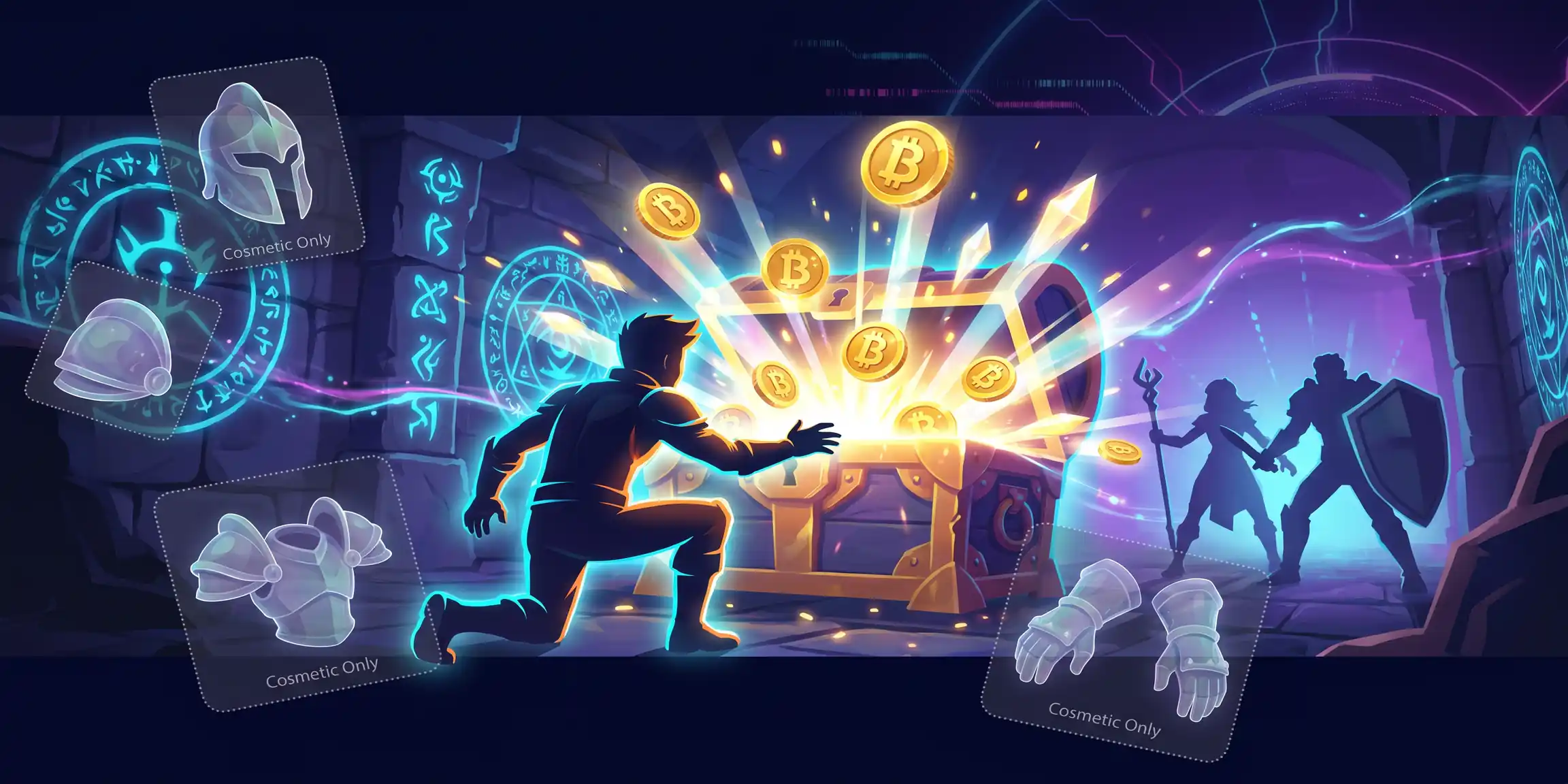
Big Time's NFT model deserves special mention: NFTs are exclusively cosmetic. They don't affect earning power, combat strength, or dungeon access. This means you can earn BIGTIME tokens at the same rate whether or not you own any NFTs — and if you find a rare cosmetic NFT drop during a run, you can sell it. It's the cleanest separation of gameplay and NFT economics in the market.
NFT earning model: Cosmetic drops during gameplay (saleable)
Earning potential: $10–$40/month from token play; rare NFT drops are variable upside
NFT Gaming vs. Skill Gaming: When to Skip the NFTs
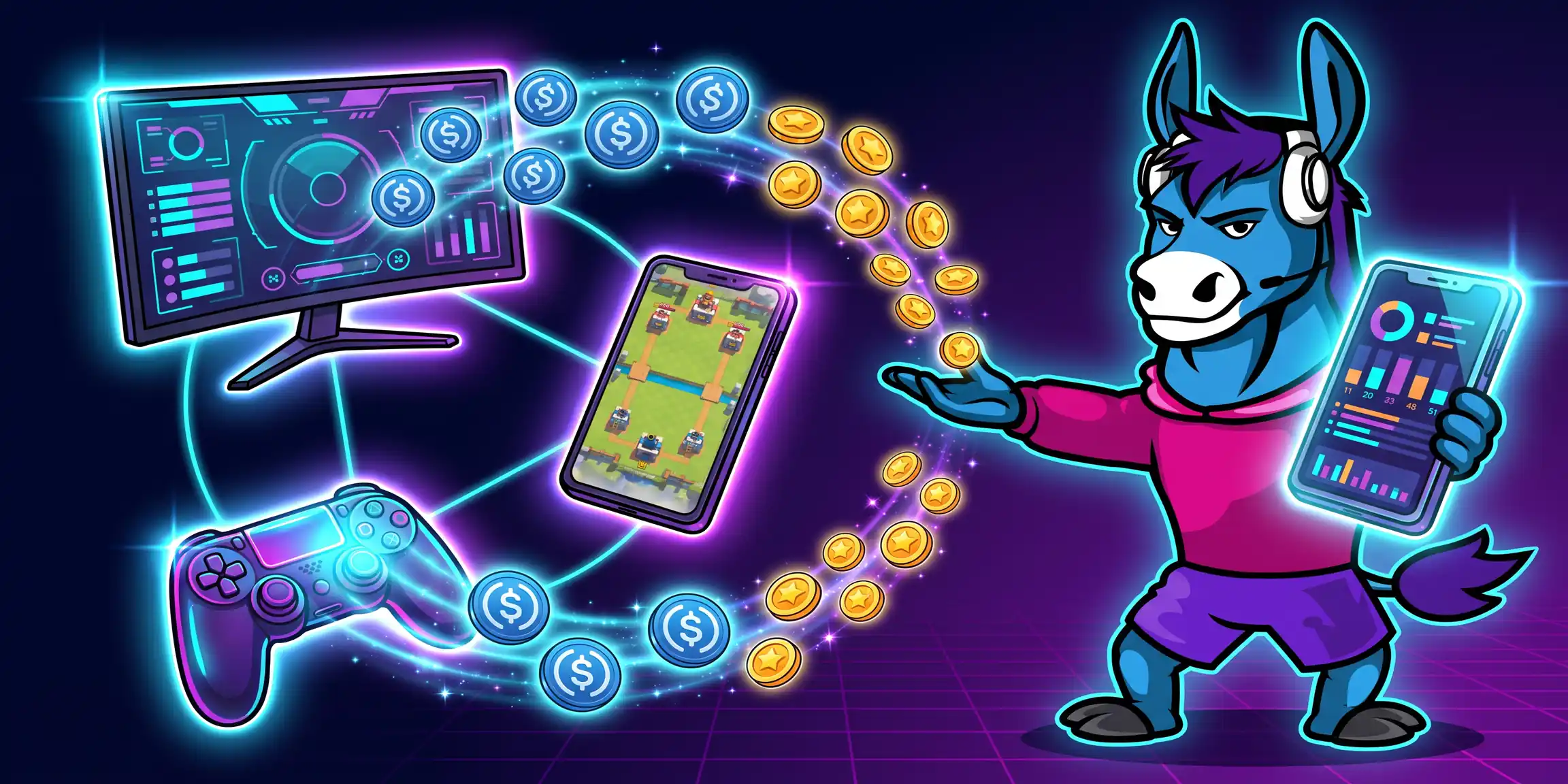
Not all crypto gaming earnings require NFT ownership. DuelDonkey is the clearest alternative: players earn USDC (Crypto) from Clash Royale Skill Challenges without buying any NFTs, holding any game token, or managing a blockchain portfolio.
The comparison is straightforward:
For Clash Royale players specifically: DonkeyCoins (Free Tier) to start, USDC (Crypto) to scale. No NFT purchase required at any point.
NFT Gaming Risks You Must Understand Before Investing
NFT floor price collapse: The most common loss mechanism. You buy a character NFT at $200, the game loses active players, the floor drops to $20. This happened to the majority of NFT games launched 2021–2022.
Game shutdown: NFTs in your wallet survive a game shutdown — but their utility (and therefore value) disappears. "Own your assets" only matters if those assets have a functioning market.
Token inflation: Many games emit tokens as player rewards. If more tokens are emitted than are removed from circulation, value dilutes. This killed Axie's SLP token and dozens of similar P2E models.
Smart contract vulnerabilities: Your NFTs and tokens are only as secure as the smart contracts that manage them. Audited contracts reduce risk; unaudited contracts are a meaningful security exposure.
Frequently Asked Questions
Can I start NFT gaming without spending money?
Yes, with the right games. Gods Unchained gives you 85 free NFT cards after the tutorial. Big Time lets you play and earn tokens for free, with occasional cosmetic NFT drops. These are the two clearest free entry points.
What's the safest NFT game to start with?
Gods Unchained — free cards on tutorial, liquid marketplace, years of operating history. If you want to spend a small amount, Splinterlands' $10 Spellbook has the best track record for small-investment returns.
Should I buy NFTs in a game I haven't played yet?
No. Play first, always. The NFT purchase decision should come after you've confirmed you enjoy the game and understand how the economy works in practice — not from reading a whitepaper.
The Bottom Line
NFT gaming in 2026 is not the gold rush of 2021 or the graveyard of 2023. It's a selective market: a handful of games have built functional NFT economies with real gameplay, real liquidity, and realistic earning ranges. Gods Unchained and Splinterlands are the most accessible starting points. Illuvium offers the highest gameplay quality. Big Time has the most player-friendly NFT model.
For players who want crypto earnings without NFT complexity, DuelDonkey's Skill Challenge format remains the clearest path — stable USDC payouts, no token speculation, no NFT floor price risk.